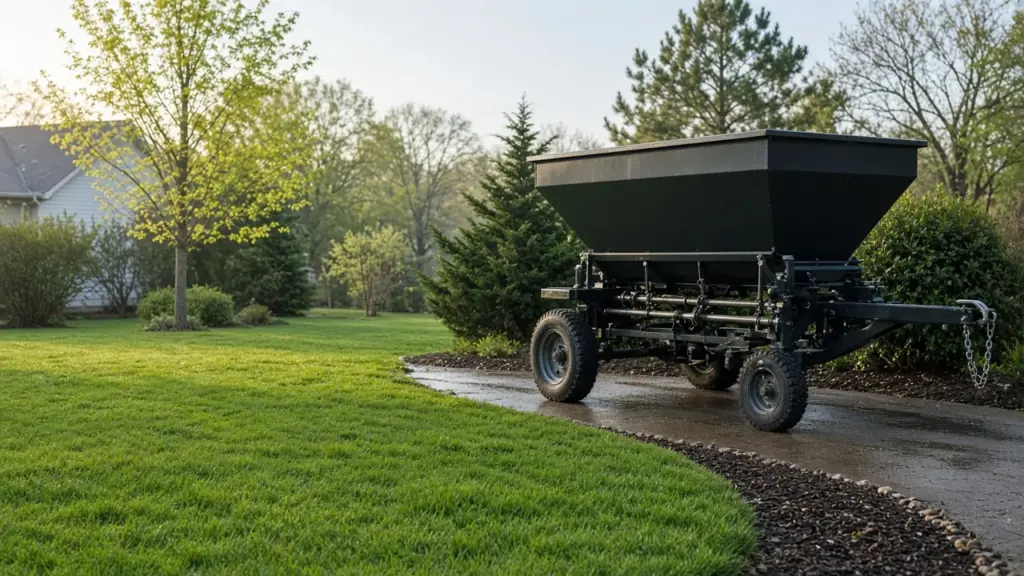
Fertilizing and watering go hand in hand. Most granular lawn fertilizers need water to move nutrients into the soil, and many products specifically say to water after application. But in Dallas, automatic sprinklers are limited to two assigned days per week, and runoff carrying fertilizer into streets and storm drains is both wasteful and harmful to local waterways.
Timing fertilizer with irrigation well means better results for the lawn and less waste. This guide explains how to coordinate the two.
Why Watering After Fertilizing Matters
Granular fertilizer sits on top of the grass and soil until water dissolves it and carries nutrients into the root zone. Watering in:
- Moves nutrients into the soil where roots can take them up
- Washes granules off grass blades, reducing the chance of leaf burn
- Activates some products, such as those with pre-emergent herbicides
Always follow the product label, which may give specific watering instructions.
Plan Around Your Assigned Days
Dallas limits automatic sprinklers and hose-end sprinklers to two days per week:
- Even addresses: Sundays and Thursdays
- Odd addresses: Wednesdays and Saturdays
Sprinkler watering is prohibited between 10 a.m. and 6 p.m. year-round. Hand watering with a hose is allowed on any day.
The simplest approach is to apply fertilizer the evening before or the morning of an assigned watering day, then let the scheduled irrigation water it in. Our guide to even and odd address watering days explains the schedule.
Or Time It With Rain
Light to moderate rain can water fertilizer in naturally. Heavy rain, however, can wash fertilizer off the lawn before it soaks in, especially on Dallas clay. Avoid applying fertilizer right before a forecast of heavy storms.
Avoiding Runoff
Clay soil absorbs water slowly, so a long single watering cycle often produces runoff. Runoff after fertilizing carries nutrients into gutters and storm drains, which can harm creeks and lakes.
To reduce runoff:
- Use cycle and soak. Split the watering into shorter cycles with breaks.
- Sweep granules off sidewalks and driveways back onto the lawn before watering.
- Keep a buffer from storm drains and water features.
- Fix heads that spray pavement.
Our guide to deep and infrequent watering for clay soil explains cycle and soak.
How Much Water to Apply
Most labels call for a modest amount of water after application, enough to move granules into the soil without saturating it. A normal cycle-and-soak run on an assigned day is usually sufficient. Avoid long, heavy watering immediately after fertilizing, which can push nutrients past roots or cause runoff.
Liquid Fertilizers
Liquid fertilizers are absorbed partly through leaves and partly through soil. Some labels advise waiting before watering so foliage can absorb nutrients. Follow the product instructions.
Seasonal Timing in Dallas
Warm-season grasses such as St. Augustine, Bermuda, and Zoysia use nutrients during active growth, generally spring through early fall in North Texas. Common guidance includes:
- Spring: wait until grass is actively growing rather than fertilizing during green-up too early.
- Summer: feed based on grass type and product, avoiding stress during extreme heat and drought.
- Fall: a lighter application may be used in some programs, but avoid heavy nitrogen late in the season on St. Augustine.
- Winter: dormant warm-season grass does not need fertilizer.
Local extension guidance can help fine-tune timing for your grass type. Our guide to Dallas lawn irrigation by grass type compares water needs.
Fertilizer, Water, and Disease
Excess nitrogen combined with too much water encourages lush growth that is more vulnerable to disease. Brown patch in St. Augustine is common in cool, wet weather. Keeping both fertilizer and irrigation moderate in fall reduces that risk. See our guide to brown patch and overwatering in St. Augustine.
Fertilizer and Chinch Bugs
Heavy nitrogen can favor some pests, including chinch bugs in St. Augustine. Balanced feeding and proper watering help keep turf healthy. Our guide to chinch bugs vs. dry spots explains how to tell pest damage from irrigation problems.
Weed and Feed Products
Some products combine fertilizer with herbicides. These often have specific watering instructions. Some need to stick to wet weed leaves before watering; others need to be watered in to activate. Read the label carefully, and check that the product is appropriate for your grass type.
Protecting Beds and Trees
Lawn fertilizers can affect nearby beds, trees, and shrubs. Some weed and feed products can harm trees and ornamental plants whose roots extend under the lawn. Keep spreaders away from beds, and choose products labeled safe for use around trees.
Check Coverage Before Fertilizing
If parts of the lawn do not receive water from the sprinkler system, fertilizer on those areas will not be watered in properly. Walk the system before fertilizing and fix clogged or misaligned heads. Uneven watering leads to uneven results.
A Simple Plan
- Check the forecast and pick a day before an assigned watering day.
- Walk the system to confirm coverage.
- Apply fertilizer according to the label.
- Sweep granules off hardscape.
- Let your normal cycle-and-soak program water it in.
- Hand water any areas the sprinklers miss.
Spreader Settings and Even Application
Uneven fertilizer application leads to striped or patchy results, which can look like irrigation problems. Calibrate your spreader according to the product label, overlap passes slightly, and apply around the perimeter first before filling in the middle. Turn the spreader off when crossing driveways and sidewalks. If you notice green stripes and pale stripes after fertilizing, the cause is likely the spreader pattern rather than the sprinkler system.
Organic Fertilizers and Compost
Organic fertilizers and compost release nutrients more slowly than many synthetic products. They depend on soil moisture and microbial activity to break down, so consistent, moderate watering helps them work. Topdressing with compost after aeration adds organic matter to Dallas clay over time. As with any product, avoid watering heavily enough to wash material off the lawn.
When Not to Fertilize
Skip fertilizing when the lawn is drought-stressed and you cannot water adequately, during extreme heat, or when the grass is dormant. Fertilizing stressed grass can do more harm than good. Also avoid fertilizing right before heavy rain. If your sprinkler system has coverage problems, fix them first so the whole lawn can benefit from feeding.
Keep Records
Note the date, product, and amount each time you fertilize, along with the watering that followed. Over a season or two, those notes show what works for your lawn and help avoid over-applying.
Frequently Asked Questions
Should I water after fertilizing my lawn?
Most granular fertilizers should be watered in. Follow the product label for specific instructions.
Can I water extra days after fertilizing in Dallas?
Automatic sprinklers are limited to your two assigned days. Plan applications around those days, or hand water, which is allowed on any day.
How do I prevent fertilizer runoff?
Use cycle and soak, sweep granules off pavement, and avoid applying before heavy rain.
When should I fertilize warm-season grass in Dallas?
During active growth, generally spring through early fall. Avoid heavy nitrogen late in the season on St. Augustine.
Get Help With Even Coverage
We fix the coverage problems that leave parts of the lawn under-watered. See our sprinkler repair service, or contact us to schedule.
Request Service or call 214-227-7444
We serve homes throughout Dallas and nearby North Texas communities.