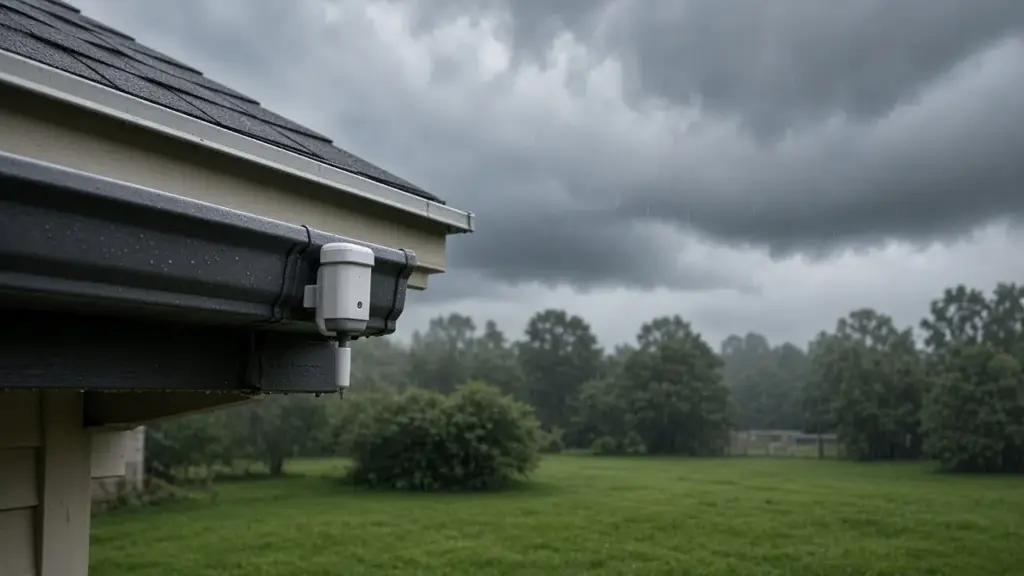
If you have an automatic sprinkler system in Dallas, you are expected to have a working rain and freeze sensor connected to it. The sensor is a small device, usually mounted on a fence, eave, or gutter, that tells the controller to skip watering when it rains or when temperatures drop near freezing. It saves water, protects your lawn, and keeps sprinklers from coating sidewalks and streets with ice.
This guide explains what the rule requires, how the sensors work, how to test yours, and how to handle common problems. For the full set of city rules, check the City of Dallas water conservation information, which is the official source.
What Dallas Requires
The City of Dallas water conservation rules require automatic irrigation systems to be equipped with rain and freeze sensors, and they prohibit watering during precipitation or freezing conditions. Texas irrigation rules also require rain or moisture shut-off technology on newly installed automatic systems.
In practice, that means:
- The sensor must be installed and connected to the controller
- It must be working, not disabled or bypassed
- The system should not water during rain or freezing conditions
Our Dallas watering schedule guide covers the other rules, including your assigned days and the year-round restriction on watering between 10 a.m. and 6 p.m.
How Rain Sensors Work
Many common rain sensors use a stack of hygroscopic disks that swell when wet. When they absorb enough rain, they press a switch that interrupts the controller’s signal to the valves. As the disks dry, they shrink and the switch resets, allowing watering to resume.
Most sensors have an adjustable setting that controls how much rain triggers shutoff. Some also have vent rings that affect how quickly the disks dry.
How Freeze Sensors Work
Freeze sensors measure temperature and interrupt watering when temperatures drop to a set point near freezing. Many units combine rain and freeze sensing in one device. Watering is blocked until temperatures rise above the set point.
Wired vs. Wireless
- Wired sensors connect to the controller with a two-conductor wire. They are simple and reliable, but the wire can be damaged.
- Wireless sensors have a sensor unit outdoors and a receiver near the controller. They are easier to install but rely on batteries and radio signal.
Smart controllers may use weather data in addition to, or in place of, a physical sensor, depending on the model and setup. If you rely on weather data, make sure your system still meets the city’s requirements.
Where the Sensor Should Be Mounted
- In the open, where rain falls freely on it
- Away from gutters that could spill extra water on it
- Out of the spray of sprinkler heads
- Away from heat sources like dryer vents or air conditioning units
- Where you can reach it for testing and maintenance
A sensor under a tree canopy or a roof overhang may not get enough rain to trigger.
How to Test Your Sensor
Wired rain sensor
- Start a zone manually at the controller.
- Press the test button on the sensor if it has one, or wet the disks thoroughly with a hose or spray bottle.
- The zone should shut off within a short time. Some controllers display a sensor-active message.
- Let the disks dry and confirm watering can resume.
Wireless sensor
Most wireless sensors have a test button or procedure. Check the receiver’s indicator lights and the controller’s display.
Freeze sensor
Freeze sensors are harder to test in warm weather. Some models have a test procedure. Otherwise, confirm the sensor is connected and watch during the first cold snap.
Common Sensor Problems
- The controller ignores the sensor. The sensor switch on the controller may be set to bypass, or the wire may be disconnected.
- The system never waters. The sensor may be stuck in the active position, the disks may not be drying, or the wiring may be faulty.
- Wireless sensor not communicating. The battery may be dead or the signal blocked.
- Sensor damaged. Sun, hail, and yard equipment can crack housings.
- Wire cut. Painting, gutter work, or landscaping can sever sensor wire.
What to Do if the Sensor Fails
Repair or replace it. Leaving a sensor bypassed permanently defeats its purpose and conflicts with city requirements. Replacement sensors are widely available, and many are compatible with common controllers. Our guide to irrigation controller repair and upgrades covers controller compatibility.
Why Sensors Matter in Dallas
Rain: Dallas can receive heavy rain in spring and fall. Watering right after a soaking rain wastes water and saturates clay soil, which absorbs slowly.
Freeze: Winter freezes are usually short, but sprinklers running during a freeze can coat sidewalks, driveways, and streets with ice, creating a hazard. Water in pipes and heads can also freeze and crack components. Our article on winterizing a Dallas sprinkler system covers freeze protection.
Adjusting Sensitivity
If the sensor shuts off watering after a light sprinkle that barely wets the soil, set it to require more rain. If it lets the system run after a real soaking, set it to trigger with less. Clay soils hold water for a while after heavy rain, so it is reasonable to have the system pause for a day or two after significant rainfall.
Sensors and Watering Days
Because Dallas limits watering to two assigned days per week, a sensor that keeps the system off for too long after rain can mean skipping a watering day. That is usually fine in cool or wet weather. In hot weather, check the lawn. If a sensor stays active well after the ground dries, the disks may be dirty, the vent rings may be set to dry slowly, or the sensor may need replacement. Our guide to even and odd address watering days explains the schedule.
Maintenance
- Clean the sensor once or twice a year, removing leaves and debris
- Check the housing for cracks
- Replace wireless sensor batteries as recommended
- Test in spring during startup and again before winter
Our year-round maintenance calendar includes sensor checks.
Replacing a Sensor: What to Expect
Replacing a rain and freeze sensor is usually a modest job. A technician will:
- Confirm the controller’s sensor terminals and settings
- Choose a compatible sensor, wired or wireless
- Mount it in an open location, away from gutters, trees, and sprinkler spray
- Run and secure the wire, or pair the wireless receiver
- Set the sensitivity and freeze set point
- Test that watering stops when the sensor is triggered
If the old sensor wire was cut or damaged, running new wire along a protected path may be part of the job. Once installed, it should need little attention beyond occasional cleaning and testing.
Frequently Asked Questions
Does Dallas require a rain sensor on sprinkler systems?
Yes. Dallas requires automatic irrigation systems to have rain and freeze sensors, and prohibits watering during rain or freezing conditions.
How do I know if my rain sensor works?
Start a zone, then wet the sensor or press its test button. The zone should shut off.
Why is my sprinkler system not running after rain?
The sensor may still be wet. If it stays active long after drying weather, it may be dirty, set too sensitively, or faulty.
Can I bypass my rain sensor?
Only temporarily for testing or troubleshooting. Repair or replace a faulty sensor.
Get Sensor Help
We install, test, and replace rain and freeze sensors and make sure they work with your controller. See our sprinkler repair service, or contact us to schedule.
Request Service or call 214-227-7444
We serve homes throughout Dallas and nearby North Texas communities.